
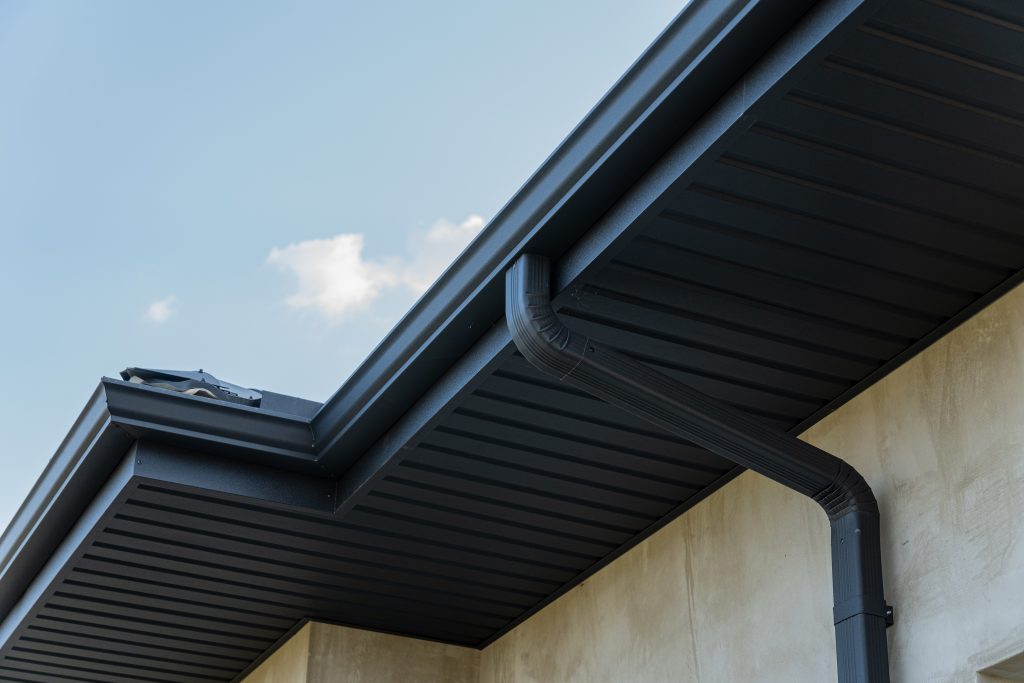
If your gutters are sagging, leaking, pulling away from the roofline, or simply reaching the end of their useful life, one of your first questions is probably about price. The gutter replacement cost in Virginia in 2026 can vary considerably depending on the size of your home, the material you choose, the number of stories, the condition of the fascia, and the complexity of your roofline. For many Virginia homeowners, replacing gutters is a relatively manageable exterior improvement, but understanding the factors behind the estimate can help you budget appropriately and avoid surprises.
Gutters may not be the most noticeable part of your home’s exterior, but they perform an essential job. A properly installed gutter and downspout system moves rainwater away from your roof, siding, foundation, landscaping, and other vulnerable areas. Considering the heavy rain and storms that can occur throughout Virginia and the Hampton Roads region, keeping this drainage system in good condition is an important part of protecting your property.
How Much Does Gutter Replacement Cost in Virginia in 2026?
As a general guideline, Virginia homeowners can expect a complete gutter replacement to cost anywhere from around $1,000 to $5,000 or more, depending on the home and materials selected.
Current national pricing data places professional gutter installation at roughly $629 to $1,735 for many projects, although pricing can range from approximately $4 to $40 per linear foot depending heavily on the gutter material, home design, and other variables.
Virginia-specific pricing can be somewhat higher for a complete professionally installed seamless system. One 2026 Virginia cost estimate places seamless aluminum gutter replacement around $1,800 to $4,200 for many homes, with a typical two-story property potentially falling in the $2,200 to $3,200 range.
These figures should be considered planning estimates rather than guaranteed prices. The most reliable way to determine what new gutters will cost for your Virginia home is to have the property evaluated and receive a customized quote.
Gutter Replacement Cost Per Linear Foot
Gutter contractors commonly calculate pricing based partly on the number of linear feet required around your home’s roofline.
For example, a relatively simple home might need 120 to 150 linear feet of gutters, while a larger house with multiple roof sections, an attached garage, dormers, or other architectural features could require 200 linear feet or more.
Nationally, installed gutter prices can range from roughly $4 to $40 per linear foot, largely depending on material.
For professionally installed seamless aluminum gutters in Virginia, a reasonable 2026 planning range may be approximately $10 to $18 per linear foot, depending on gutter size, installation conditions, and contractor pricing.
A basic calculation can give you a rough starting point:
Estimated gutter length x approximate installed cost per linear foot = preliminary project estimate
Keep in mind that this equation does not necessarily include every component of the project. Downspouts, gutter removal, fascia repairs, gutter guards, difficult access, and other work can increase the final price.
Average Gutter Replacement Cost by Material
Your gutter material can make a significant difference in the overall cost of replacement.
Aluminum Gutters
Aluminum remains one of the most popular residential gutter materials because it provides a good combination of durability, corrosion resistance, appearance, and affordability.
National estimates generally put aluminum gutters at approximately $3 to $15 per linear foot, depending on the product and installation.
Seamless aluminum systems may cost more than inexpensive sectional products, but they have fewer joints along the gutter runs. Fewer seams mean fewer potential locations for leaks to develop.
For many homes in Virginia Beach, Chesapeake, and the surrounding Hampton Roads communities, professionally installed aluminum gutters offer a practical balance between performance and cost.
Vinyl Gutters
Vinyl is generally one of the least expensive gutter materials available. Typical national pricing falls around $3 to $7 per linear foot.
While the initial cost can be attractive, homeowners should consider durability as well as upfront price. Vinyl can become brittle or crack over time, particularly when exposed to temperature changes and harsh weather.
Galvanized Steel Gutters
Steel gutters are strong and capable of handling demanding conditions, making them appropriate for certain homes. They also tend to cost more than standard aluminum.
National estimates place galvanized gutters at approximately $5 to $20 per linear foot.
The additional strength may be valuable in some situations, although homeowners should consider corrosion resistance, maintenance requirements, and local coastal conditions before selecting a material.
Copper Gutters
Copper sits at the premium end of the gutter market. It is durable, distinctive, and develops a natural patina over time.
Copper gutters can cost approximately $15 to $40 or more per linear foot, depending on the system and installation requirements.
For a large home, the total project can quickly reach several thousand dollars. Copper is generally selected more for longevity and architectural appearance than for keeping the project budget low.
Seamless vs. Sectional Gutters
Another major decision is whether to install seamless or sectional gutters.
Sectional gutters are manufactured in predetermined lengths and connected together during installation. They can be inexpensive and are commonly available at home improvement stores.
Seamless gutters, on the other hand, are typically fabricated on-site to fit the dimensions of the house. Long gutter runs can therefore be installed with far fewer seams.
That can provide several benefits, including:
- Fewer potential leak points
- A cleaner, more uniform appearance
- Custom sizing for the property
- Reduced dependence on multiple connecting joints
- Professional installation tailored to the roofline
Seamless gutters generally require specialized equipment and professional installation, so the initial cost may be higher than a basic sectional DIY system. For homeowners planning to stay in their homes for years, however, the added durability and reduced number of seams can make them worth considering.
What Factors Affect Gutter Replacement Cost?
Two homes of similar size can receive very different gutter replacement estimates. That’s because contractors have to consider much more than square footage.
Size of Your Home
The larger the roof perimeter, the more gutter material you’ll need. More linear feet also means additional hangers, fasteners, labor, and installation time.
A compact ranch may have a relatively simple gutter layout. A larger two-story home with an attached garage and multiple roof sections may need considerably more material.
Number of Stories
Replacing gutters on a two-story or three-story home generally costs more than working on a single-story property.
Greater height can require additional safety equipment, taller ladders, different installation techniques, and more labor. Height can also make downspouts longer, adding additional material to the project.
Roofline Complexity
A long, straight roof edge is relatively straightforward. Multiple corners, dormers, valleys, additions, and architectural details can make gutter installation more complicated.
More complicated layouts may require additional:
- Inside and outside corners
- End caps
- Downspouts
- Custom gutter sections
- Fasteners and hangers
- Labor
A contractor also needs to make sure the finished system drains correctly rather than simply attaching gutters around the perimeter.
Gutter Size
Five-inch K-style gutters are common on residential properties, but some homes may benefit from larger six-inch gutters.
A larger gutter can handle a greater volume of water. That may be beneficial on homes with large roof surfaces, steep roof pitches, or areas where significant runoff is concentrated into particular sections.
Larger gutters require more material, so upgrading the size may increase your estimate.
Downspouts
The gutter itself is only one part of the drainage system. Downspouts move collected water vertically from the gutters toward the ground and then away from your house.
A home that requires several downspouts, oversized downspouts, or unusually long runs will generally cost more than one with a basic configuration.
Placement matters, too. Water should be directed somewhere it can drain safely instead of being deposited directly beside the foundation.
Removal of Existing Gutters
When replacing an existing system, contractors typically have to remove and dispose of the old gutters before installing the new ones.
Removal of existing gutter components can add approximately $1 to $2 per linear foot to a project according to national cost estimates.
The price will depend on the existing system, accessibility, and disposal requirements.
What If the Fascia Behind the Gutters Is Damaged?
This is one of the variables homeowners sometimes overlook when budgeting for gutter replacement.
Gutters are mounted along the roof edge, commonly against the fascia board. When old gutters have leaked, overflowed, or pulled away from the home for an extended period, moisture may have damaged the wood behind them.
Once the old gutter is removed, contractors may discover:
- Rotted fascia
- Soft or deteriorated wood
- Peeling or damaged trim
- Loose mounting areas
- Moisture damage
- Insect damage
New gutters need a solid mounting surface. Installing them directly onto severely deteriorated fascia can compromise the new system.
Repairing damaged fascia or soffit therefore increases the total gutter replacement cost. Extensive fascia and soffit replacement can become a separate exterior remodeling project rather than a small gutter-related expense.
Do Gutter Guards Increase the Cost?
Yes. Adding gutter guards increases the upfront price because you are purchasing another component and paying for its installation.
Whether they’re worthwhile depends on your property.
Homes surrounded by mature trees may accumulate leaves, twigs, pine needles, seed pods, and other debris quickly. Gutter protection can reduce the amount of large debris entering the system, although no product completely eliminates every maintenance requirement.
If you’re replacing your gutters anyway, it can be a convenient time to discuss gutter protection with your contractor rather than returning later to modify the system.
Why Gutters Matter in Virginia
Virginia homeowners deal with a wide variety of weather conditions throughout the year. Coastal communities such as Virginia Beach and Chesapeake can experience strong storms, wind-driven rain, tropical weather, and extended periods of precipitation.
Your gutters help manage all of that water.
When gutters are functioning correctly, runoff moves off the roof, into the gutter channels, through the downspouts, and away from vulnerable portions of the home.
When gutters fail, water may spill directly over the roof edge or collect where it shouldn’t.
Over time, poor drainage can contribute to problems involving:
- Fascia and soffit deterioration
- Siding stains or moisture damage
- Soil erosion
- Damaged landscaping
- Water collecting near the foundation
- Basement or crawl space moisture concerns
- Roof-edge deterioration
Replacing failing gutters is therefore about more than appearance. You’re maintaining an important part of the home’s overall water-management system.
How Do I Know If My Gutters Need to Be Replaced?
Not every gutter problem requires a completely new system. A small leak, loose hanger, or isolated damaged section may sometimes be repaired.
Replacement becomes more reasonable when problems are widespread, or the system itself has significantly deteriorated.
Watch for warning signs such as:
- Gutters pulling away from the fascia
- Multiple leaks
- Rust or corrosion
- Cracks or holes
- Repeated separation at seams
- Extensive sagging
- Water overflowing despite regular cleaning
- Downspouts that no longer drain properly
- Damaged or rotting fascia behind the gutters
- Water collecting around the foundation
- Large sections that are bent or misshapen
If you’re continually repairing an aging system, replacing it may make more financial sense than paying for repeated temporary fixes.
Should I Repair or Replace My Gutters?
The decision generally comes down to the extent of the damage.
Repair might make sense when you have one loose section, a minor leak, a damaged downspout, or another localized problem and the rest of the system remains in good condition.
Replacement may make more sense when:
- Damage occurs throughout the system
- Gutters are badly sagging
- Numerous seams repeatedly leak
- The gutters have begun separating from the house
- Corrosion is widespread
- The current gutters are undersized for the roof
- You’re already replacing damaged fascia
- The existing system is near the end of its useful life
A professional inspection can help you determine whether repair or replacement provides better long-term value.
Can Replacing Gutters Help Protect a New Roof?
Yes. Your roofing and gutter systems work together to manage rainwater.
A quality roof sheds water toward the edges of the structure. Gutters then collect that runoff and move it away from the home through downspouts.
If your roof is being replaced but the gutters are badly damaged, incorrectly pitched, pulling away from the fascia, or simply inadequate, it may be worth addressing both systems around the same time.
Coordinating exterior projects can also make it easier to identify related fascia, soffit, flashing, and drainage issues before they turn into larger problems.
How to Budget for Gutter Replacement in Virginia
Online cost averages are useful for establishing a preliminary budget, but they should not replace an actual estimate.
Before setting your final budget, consider:
- How many linear feet of gutters your home requires
- Whether you want five-inch or six-inch gutters
- Your preferred gutter material
- How many downspouts will be needed
- Whether existing gutters must be removed
- Whether the fascia appears damaged
- Whether you want gutter protection
- How many stories your contractor will be working on
- How complex the roofline is
- Whether other exterior work will be performed at the same time
It’s also wise to build a small amount of flexibility into your budget. Exterior components occasionally hide damage that isn’t fully visible until old materials are removed.
Is the Cheapest Gutter Replacement Quote the Best Choice?
Not necessarily.
Price matters, but gutter performance depends heavily on installation. Even good-quality material can perform poorly when it isn’t properly pitched, securely fastened, or paired with enough correctly positioned downspouts.
When reviewing gutter replacement quotes, look beyond the final number and ask what you’re receiving for the price.
Consider factors such as:
- Contractor licensing
- Workmanship
- Material quality
- Gutter thickness and size
- Downspout configuration
- Warranty coverage
- Removal and disposal
- Project cleanup
- Experience with local homes and weather conditions
A well-installed drainage system that reliably moves water away from your home can offer much better value than choosing solely based on the lowest initial price.
Frequently Asked Questions About Gutter Replacement Cost in Virginia
How much should new gutters cost in Virginia in 2026?
Many complete residential gutter replacement projects may fall somewhere between approximately $1,000 and $5,000 or more. Seamless aluminum replacements in Virginia may commonly land around $1,800 to $4,200, although actual pricing depends on the home, material, linear footage, height, roof design, downspouts, and related repairs.
How much are gutters per linear foot?
Installed gutter costs can range broadly from around $4 to $40 per linear foot nationally, depending on material and project conditions. Aluminum is usually toward the lower or middle portion of the range, while premium materials such as copper cost considerably more.
Are seamless gutters more expensive?
They can be. Seamless gutters are custom-fabricated for the home and require professional equipment and installation. Their reduced number of seams, tailored fit, and clean appearance make them a popular choice despite the potentially higher upfront price.
How long does gutter replacement take?
Many straightforward residential gutter projects can be completed relatively quickly, but the schedule depends on home size, roofline complexity, accessibility, weather conditions, fascia repairs, and other work involved.
Do I need to replace my gutters when replacing my roof?
Not always. Gutters that remain structurally sound and properly functional may not require replacement. However, if they’re damaged, undersized, badly worn, or pulling away from the fascia, coordinating gutter and roof work may make sense.
Does homeowners insurance cover gutter replacement?
Insurance may cover gutter damage caused by a covered event, such as certain types of storm damage, but it generally does not cover normal aging, neglect, or routine wear. Coverage varies by policy, so contact your insurer and review your specific terms.
Are six-inch gutters worth the extra cost?
They can be for homes with large or steep roof surfaces, complex drainage areas, or locations that experience substantial rainfall. A professional can determine whether larger gutters would improve drainage for your specific roof.
Can damaged gutters affect my foundation?
They can contribute to drainage problems around the foundation. When gutters overflow, or downspouts deposit water too close to the house, repeated saturation may cause soil erosion and unwanted moisture around the structure.
Should I replace my gutters or repair them?
Repair is usually appropriate for isolated problems on an otherwise healthy system. If the gutters have widespread corrosion, multiple leaks, severe sagging, repeated seam failures, or extensive deterioration, replacement may provide better long-term value.
Get a Gutter and Exterior Quote From Quality Built Exteriors
Your gutters have a straightforward job, but it’s an important one: move rainwater away from the parts of your home that need protection. If your current system is leaking, sagging, damaged by storms, or simply past its prime, getting a professional assessment can help you understand your options and the actual cost of replacement.
Quality Built Exteriors provides roofing and exterior remodeling services in Virginia Beach, Chesapeake, and communities throughout Hampton Roads. We help Virginia homeowners protect and improve their properties with roofing, siding, decks, fences, and other exterior solutions backed by licensed workmanship.
Dealing with storm damage? Our team can also help homeowners navigate qualifying storm-damage insurance claims. Flexible financing options are available to make necessary exterior improvements more manageable.
Whether you’re investigating gutter problems as part of a larger roofing project or planning additional exterior upgrades, Quality Built Exteriors can help you determine the right solution for your home.
Request a quote from Quality Built Exteriors today and take the next step toward protecting your Virginia home.