Which Siding Material Is Right for Your Home? An Honest Comparison
In Hampton Roads, where Chesapeake, Newport News, and Virginia Beach homes contend with salt air, sustained humidity, rapid temperature cycling, and hurricane-season wind loads, the material choice carries more gravity than it does in most inland markets. This guide gives you a direct, climate-aware comparison so you can weigh cost, maintenance commitment, and long-term durability without the pressure.
Choosing the wrong siding material isn’t just an aesthetic miscalculation. Warped vinyl, rotted framing concealed behind new cladding, or a voided manufacturer warranty due to non-compliant installation: these outcomes turn a home improvement project into a recurring repair expense. Quality Built Exteriors, a family-owned contractor serving Hampton Roads since 2005 with an A+ BBB rating, provides turn-key installation engineered to meet coastal Virginia’s wind-load and building code requirements. The goal is protecting the structure underneath the siding for the next several decades, not just covering it. Protection is key.
A home’s exterior envelope needs materials that can expand and contract through Hampton Roads summers and winters without cracking or rotting. The right siding choice balances upfront budget, long-term maintenance commitment, and coastal climate resilience. Fiber cement upgrades consistently rank among the highest-ROI exterior improvements in national remodeling industry reports, reflecting both their longevity and their appeal to future buyers.
Our team is available 24/7 to answer questions and schedule a no-pressure siding assessment. Call (757) 255-7627 or reach our Virginia Beach location at 5055 Euclid Rd, (757) 520-4399. You can also explore our siding installation in Virginia Beach service page to get a sense of what the process looks like.
Key Factors to Evaluate in Your Siding Material Types Comparison
Three factors tend to drive the final material decision more than anything else:
- Upfront installed cost vs. lifetime value: Premium materials carry higher installation costs, but lower-cost options often demand more frequent maintenance, repainting, or early replacement. Evaluating the full 20-year picture changes the math drastically. Cheap siding gets expensive quickly.
- Maintenance requirements: Vinyl requires little more than an occasional wash and, when panels sustain localized damage, targeted vinyl siding repair rather than a full tear-off. Wood siding demands painting or sealing every three to five years, plus regular pest treatment in a climate where termites and carpenter bees are active year-round.
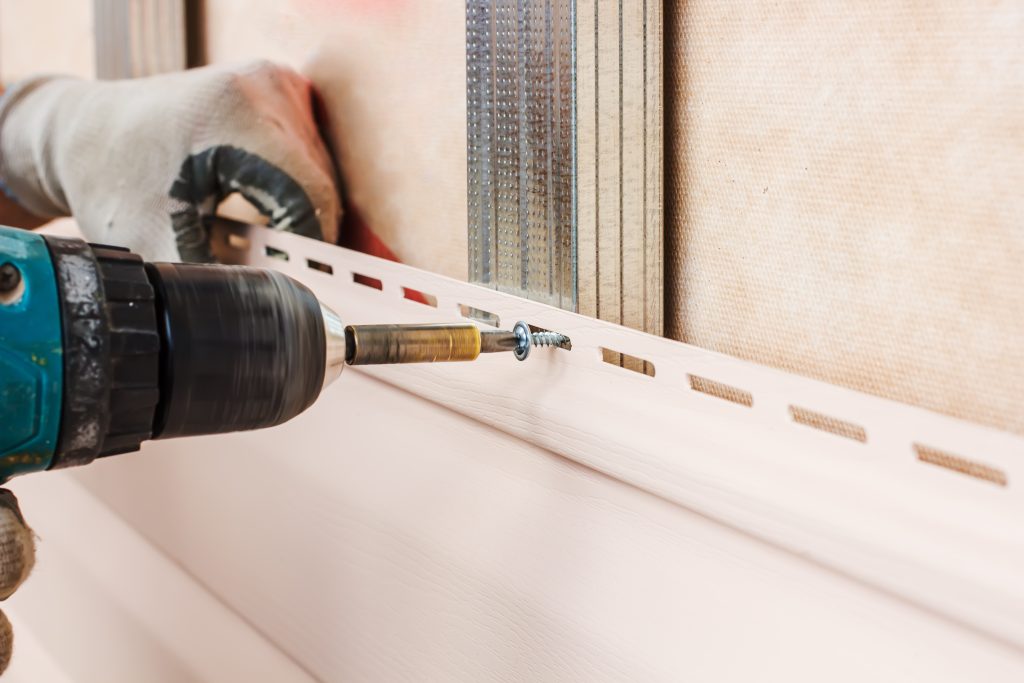
- Coastal durability: Salt air, sustained humidity, and strict wind-load requirements in coastal Virginia municipalities make professional, code-compliant installation non-negotiable because even the most durable siding will blow off or trap moisture if it is not fastened to the framing with the correct spacing and depth. A material rated for coastal exposure, installed incorrectly, still fails. Installation matters most.
Vinyl Siding: The Practical, Low-Maintenance Choice
Modern vinyl is manufactured from durable polyvinyl chloride (PVC) engineered to resist UV fading and impact. It won’t rot, it won’t attract termites, and it never requires painting or staining. Maintenance is incredibly simple. For homeowners whose primary goal is a weather-resistant exterior with minimal ongoing upkeep, vinyl is a reasonable choice across nearly every budget tier.
The “cheap vinyl” reputation is largely outdated. Premium vinyl products now feature deep wood-grain textures, pronounced shadow lines, and insulated backings that improve both stiffness and thermal performance, helping to lower your heating and cooling bills by preventing thermal bridging through the wall studs. The visual gap between entry-level vinyl and a premium insulated profile is wide enough that the two products barely read as the same material on a finished home.
Fiber Cement Siding: The Generational Investment
Fiber cement, most commonly associated with James Hardie board, is a heavy-duty blend of Portland cement, sand, and cellulose fibers that is cured under high-pressure steam to create an incredibly dense plank. The resulting material is dense, non-combustible, and structurally rigid in ways that wood and vinyl aren’t.
- Durability: The cement-and-fiber composition resists impact, moisture infiltration, and fire in a way no polymer-based product can replicate.
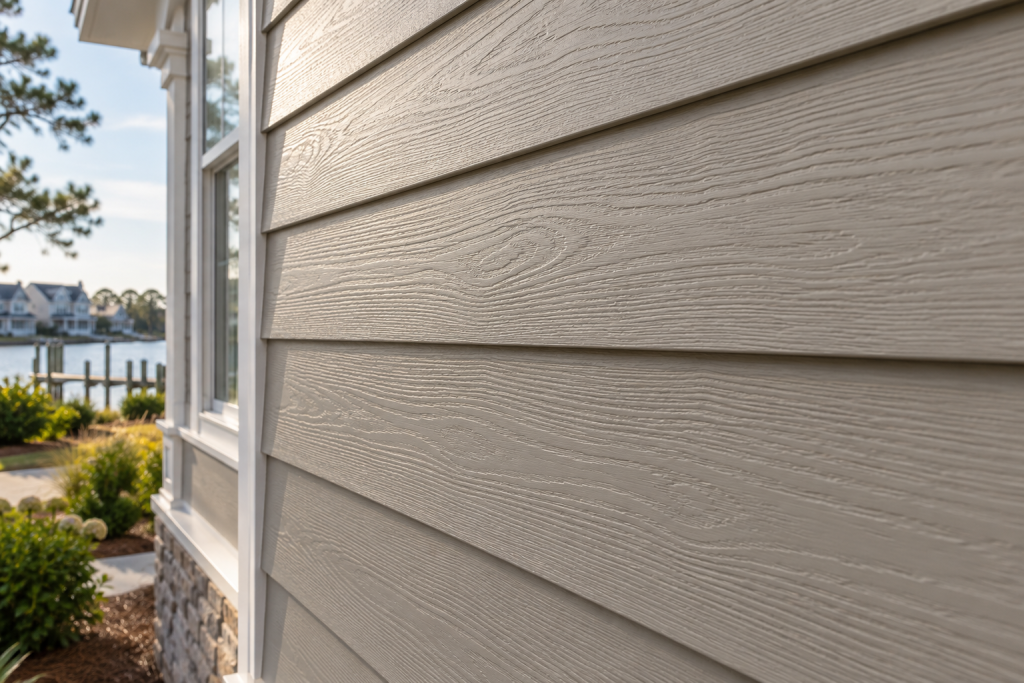
- Aesthetics: Factory-applied finishes reproduce the shadow lines and grain depth of natural wood without the structural weaknesses that make wood a liability in humid coastal climates.
- Coastal weather resilience: Fiber cement undergoes minimal thermal expansion and contraction, preventing the warping and joint separation that plague other materials in Hampton Roads’ seasonal swings.
“Ray was truly a pleasure to work with. I expect it won’t be the last time. VERY impressed with the pride in workmanship!” (Verified Customer Review, Quality Built Exteriors)
Ready to move from comparison to commitment? Schedule your consultation for siding installation in Virginia Beach and get a detailed estimate matched to your home’s specific needs.
Wood Siding: Classic Beauty with High Upkeep
No synthetic material fully mimics the warmth and character of natural wood siding. It looks beautiful. It’s paintable, stainable, and deeply customizable, which is why it remains the aesthetic benchmark that every other siding product is measured against.
In Hampton Roads, wood’s vulnerabilities are amplified by the environment. The coastal air is harsh. Sustained humidity, salt air, and active wood-boring pest populations mean that poorly maintained wood siding can begin decaying within a few years of installation. Painting or sealing every three to five years is the minimum schedule to prevent moisture from penetrating the wood fibers and reaching the wall framing behind them.
Engineered wood and composite siding products offer a practical middle ground, replicating the look of natural wood while incorporating resin binders and treatment processes that improve rot and insect resistance. Whether composite siding is appropriate for a specific coastal location is worth discussing during a consultation; performance varies enough by product line and installation method that a blanket recommendation doesn’t hold.
How Coastal Weather Shapes Your Siding Choice
Salt air accelerates the breakdown of any coating system not specifically formulated for coastal exposure, and it’s corrosive to metal-based siding products. Sustained humidity keeps wood fibers perpetually damp, creating ideal conditions for mold, rot, and pest activity. Intense summer sun fades and weakens lower-grade vinyl over time. This leads to cracking.
Wind-load requirements add another layer of complexity. Storms are powerful. Properly installed vinyl and fiber cement are engineered to withstand severe wind loads, but that performance depends entirely on the fastening schedule, flashing details, and nailing patterns used during installation to ensure the panels do not tear away during a hurricane. A product with a high wind rating installed with the wrong fastener spacing won’t perform anywhere near spec when a coastal storm arrives.
The Total Cost of Ownership: Upfront vs. Lifetime Value
A lower installed cost at the point of purchase can translate into a significantly higher cost over a 20-year ownership period when it means repainting every four years, replacing warped panels, or repairing moisture damage that worked its way into the wall assembly. When evaluating fiber cement siding replacement, the higher initial investment is balanced by the material’s longevity, the elimination of painting cycles, and its consistent contribution to resale value. Longevity saves money. Fiber cement upgrades rank among the top-performing exterior improvements in national remodeling cost-versus-value analyses. It is a smart investment.
Signs It Is Time to Replace Your Home’s Siding
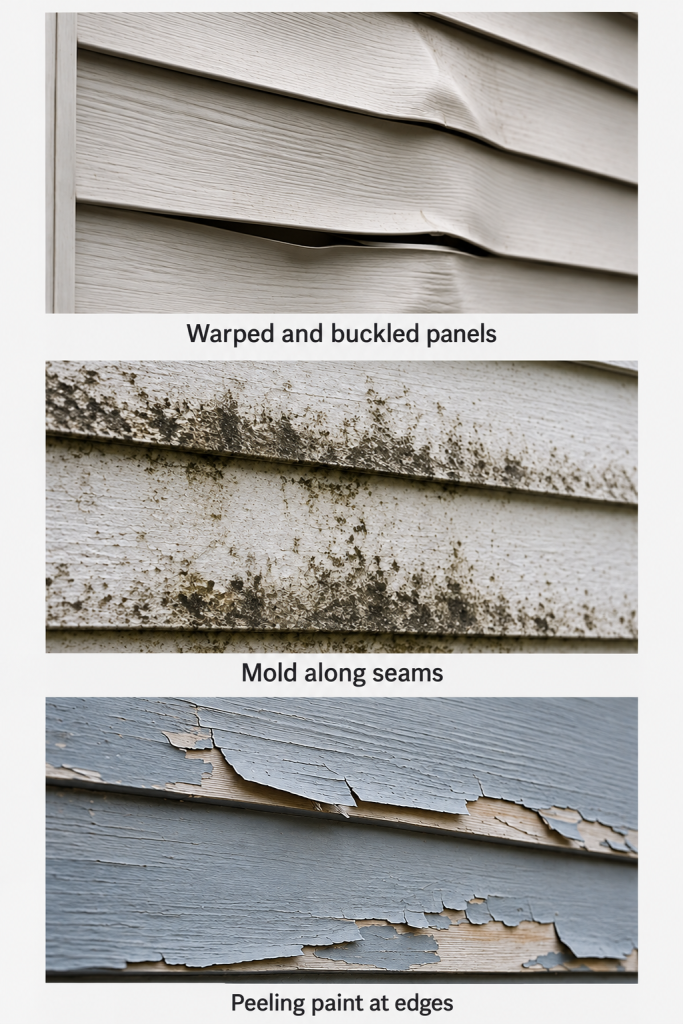
- Visible rot or soft spots: Particularly common in wood siding or poorly installed composite materials where moisture has breached the outer seal and reached the wall framing.
- Warping, buckling, or cracking: A clear indicator that the siding has reached the end of its service life, or that it was installed without adequate expansion gaps for thermal movement. Damage spreads quickly.
- Rising energy bills: Sudden increases in heating and cooling costs often point to a failed house wrap or damaged siding insulation allowing conditioned air to escape. Your HVAC works harder.
- Frequent paint failure: If your wood siding is peeling or fading within a couple of years of a fresh coat, the wood fibers are likely saturated with moisture because water is trapped behind the paint layer and cannot escape. That’s a strong signal to evaluate when to replace home siding rather than invest in another paint cycle.
Why Certified Professional Installation Is Non-Negotiable
Most major siding manufacturers, including James Hardie, require certified installation to maintain their multi-decade warranties. A DIY installation or uncertified handyman job voids those protections, often without the homeowner realizing it until a warranty claim is denied years later. Do not risk it.
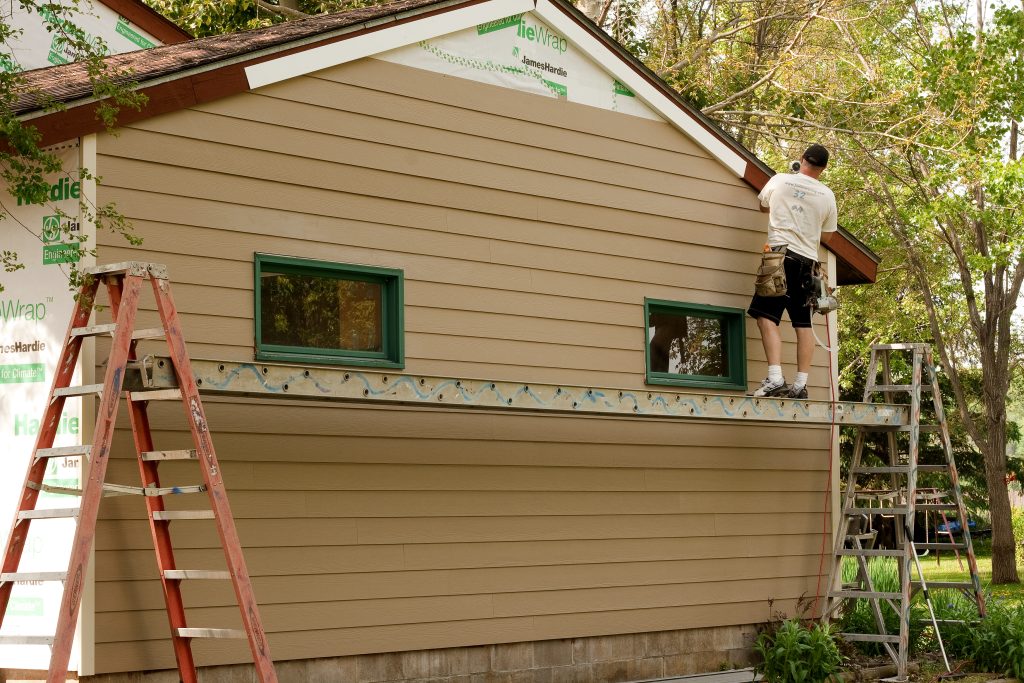
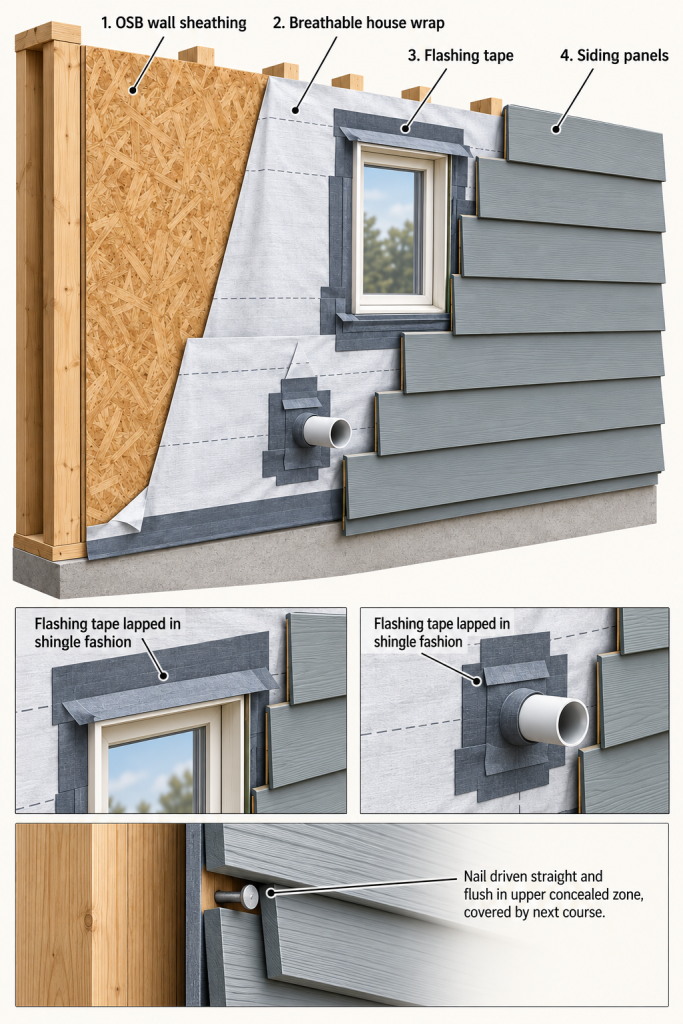
Fiber cement installation demands specialized cutting equipment to manage silica dust, precise expansion gaps at every joint, and nailing patterns that vary by wind zone. Getting those details wrong doesn’t just threaten the warranty; it creates water infiltration pathways that can damage wall framing long before the siding itself shows visible failure.
As Mike Reedy, Founder and Owner of Quality Built Exteriors, notes: “When installers interview with Quality Built Exteriors, only about 5 percent are coming from companies properly licensed in their trade.” That hiring process is what separates a warranty-compliant installation from one that looks fine on day one and fails in year three. Quality matters. Our team, including Mike Reedy and Melissa James, understands the specific building codes and wind-load requirements that govern coastal Virginia construction, ensuring your home is fully protected against severe weather.
Our Step-by-Step Siding Replacement Process
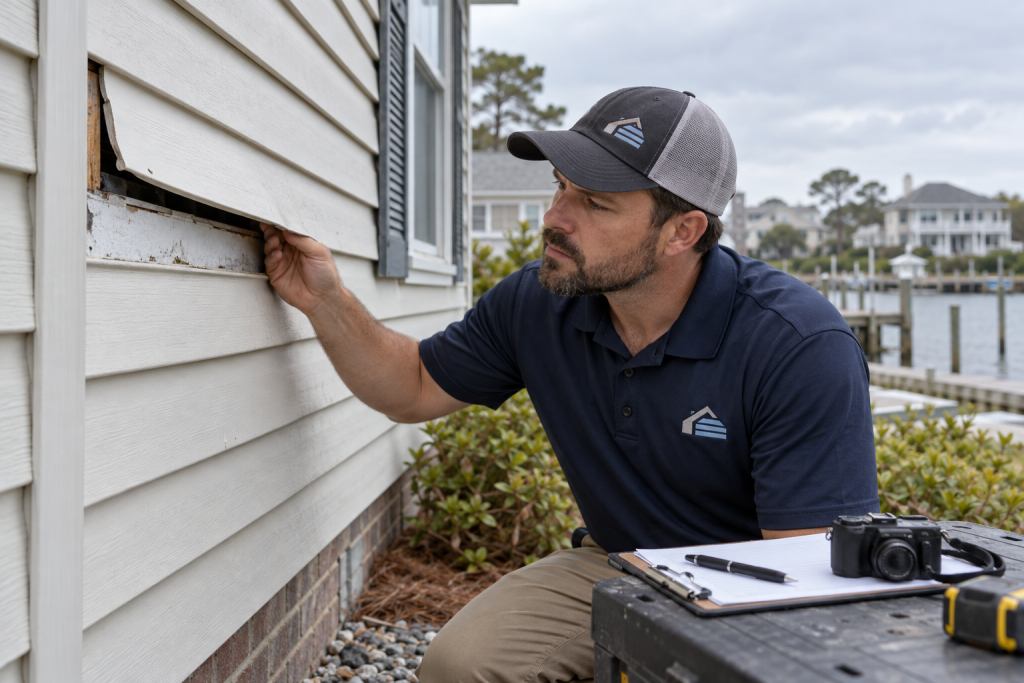
Every project begins with a detailed, no-pressure inspection of your current siding, trim, and flashing to identify hidden moisture damage before a single panel is removed, ensuring that we do not cover up rotted wood. What’s behind the existing siding often determines the full scope of the project, and uncovering those issues early prevents cost surprises mid-installation. Surprises cost money. From there, we help you compare siding materials for your home exterior, matching your budget, maintenance preferences, and aesthetic goals to the right product. We guide you.
Ensuring a Weather-Tight Installation
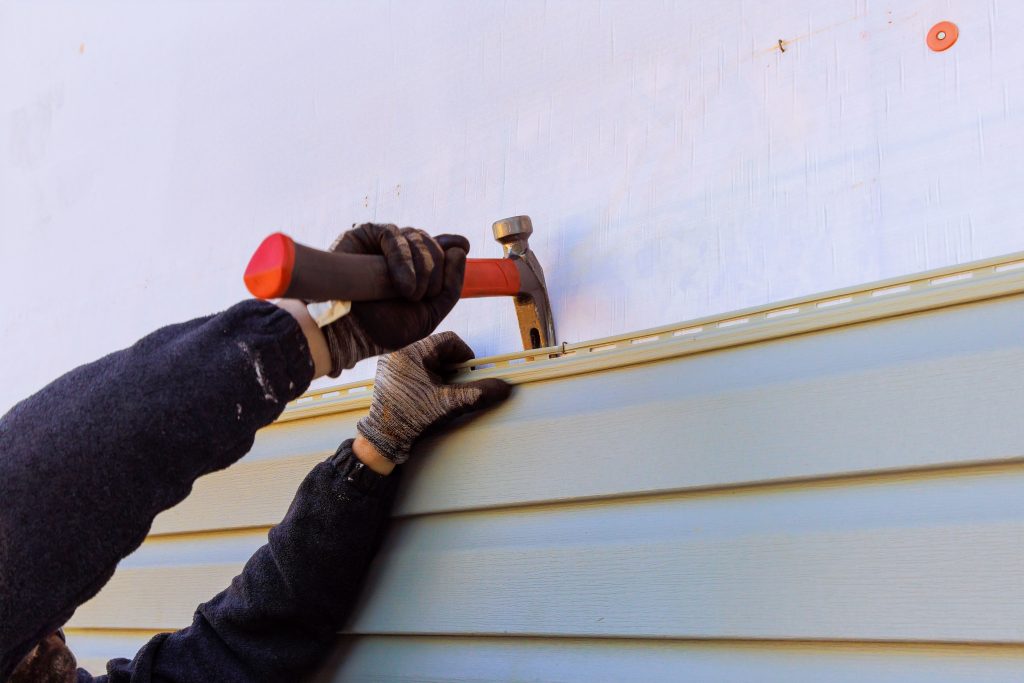
Once material selection is confirmed, we remove the existing siding and install a high-performance breathable house wrap that protects wall framing from moisture while allowing interior vapor to escape. This protects your walls. Our certified crews install your chosen siding using marine-grade fasteners and purpose-built flashing at every penetration and transition point. We do not cut corners. Every project closes with a rigorous walkthrough of every seam, joint, and trim piece: the details that are easy to overlook during installation are the ones that cause problems five years later.
Frequently Asked Questions About Siding Materials
How long does vinyl siding last compared to fiber cement in coastal Virginia?
Under regular maintenance, premium vinyl siding typically lasts 20 to 30 years, while fiber cement such as James Hardie board can last 50 years or more. In coastal environments, fiber cement’s superior resistance to salt air and high winds makes it the more durable long-term choice for most Hampton Roads homeowners.
Can I install new siding directly over my old siding to save money?
We strongly advise against it. Installing new siding over existing material traps moisture, conceals structural rot, and prevents the installation of a modern protective house wrap. It also voids most manufacturer warranties and makes it impossible to properly fasten the new siding to wall studs.
What is the best low-maintenance siding option for a home near the water?
Premium vinyl and fiber cement are both strong choices for coastal homes. Vinyl is immune to salt-air corrosion and moisture rot and requires only an annual wash. Fiber cement provides the same rot resistance while adding superior wind-load performance and fire protection, making it the favored choice for homes in higher-exposure coastal zones.
Contact Quality Built Exteriors Today
Protecting your home starts with choosing the right material and having it installed by a team that understands what coastal Virginia demands from an exterior. Quality Built Exteriors has been serving Hampton Roads homeowners since 2005: call (757) 255-7627 or visit our office at 929 Ventures Way, Suite 109, Chesapeake, VA, to schedule your free, no-obligation siding assessment. Our team is available 24/7.