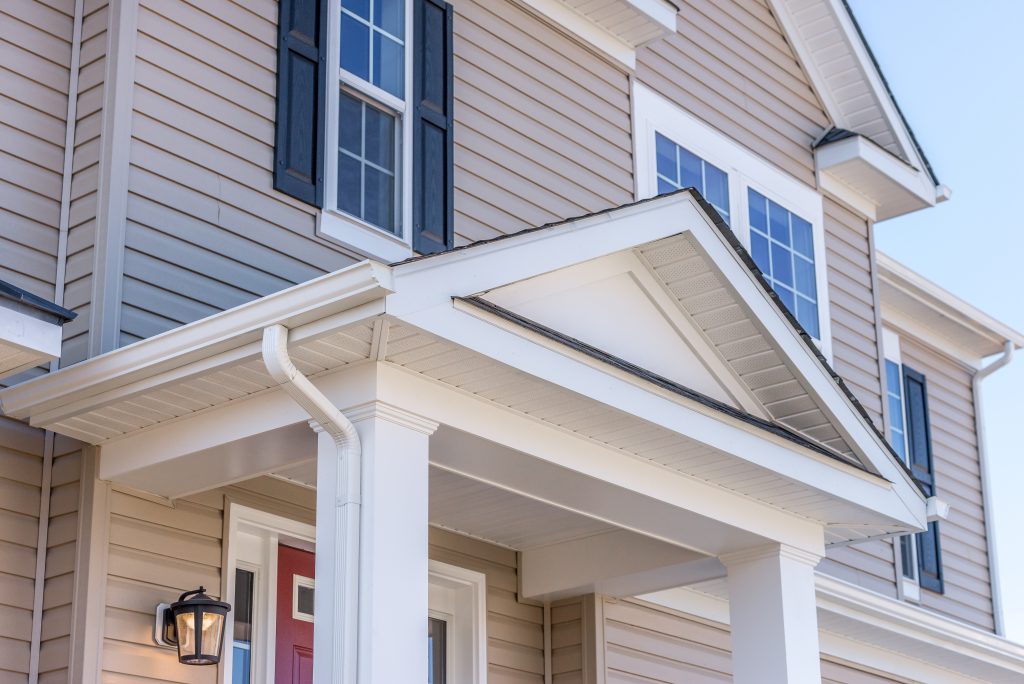
Siding Repair Services in Hampton Roads
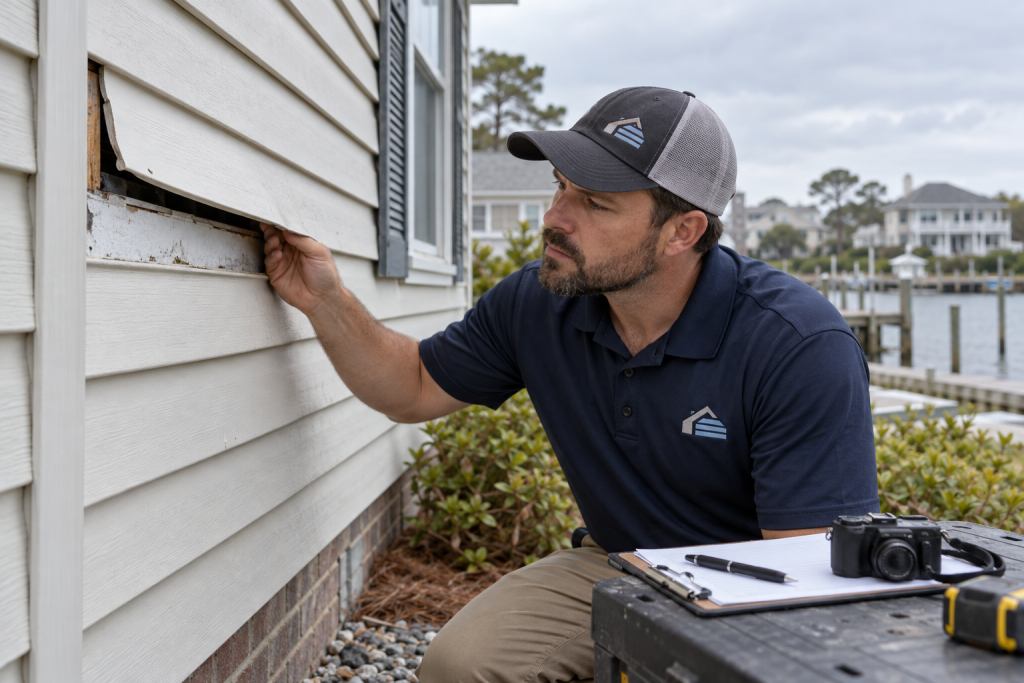
Hampton Roads weather is unforgiving. The combination of high humidity, salt-laden air off the Chesapeake Bay and Atlantic, and wind-driven rain during nor’easters creates conditions that exploit even minor gaps in a home’s envelope. A hairline crack in a vinyl panel or a slightly loose lap joint is negligible in a dry inland climate; here, it becomes a moisture entry point that can quietly saturate wall sheathing over months. Our vinyl siding repair work addresses both the visible damage and the underlying conditions that allowed it to occur, which is the only approach that prevents structural rot from taking hold.
Project Budgeting and Financing
Homeowners often postpone siding repairs because they expect a large, unpredictable bill. Repair costs in the Hampton Roads area vary considerably depending on the material, the number of panels affected, and whether the underlying sheathing needs attention. To make structural restoration accessible with fair, honest pricing, we offer flexible financing options that let you address the damage now rather than after the next storm compounds it.
Don’t let a coastal storm decide for you. Call (757) 255-7627 or request a free estimate, and we’ll provide an honest inspection before the next weather event arrives.
Identifying Siding Damage Before It Spreads
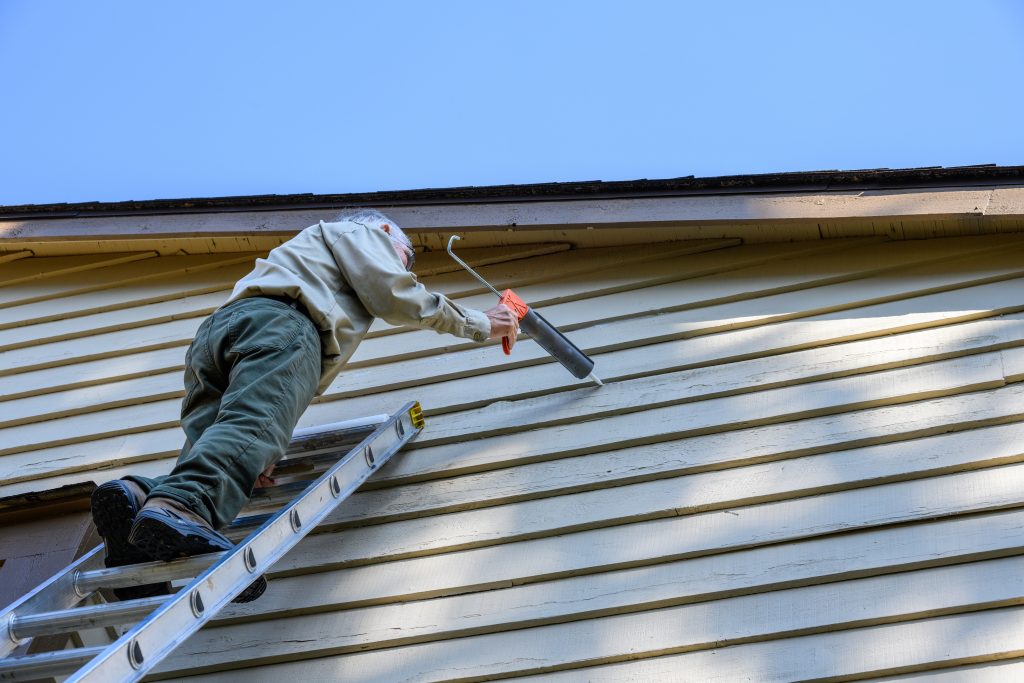
Catching exterior damage early is almost always cheaper than addressing it after moisture has migrated behind the panels. Warning signs are visible on the surface. Do not wait. However, their consequences extend well into the wall cavity. If you’re unsure whether you’re looking at a minor repair or a full replacement situation, our guide to signs your siding needs replacement can help you gauge the scope of work before you make a decision.
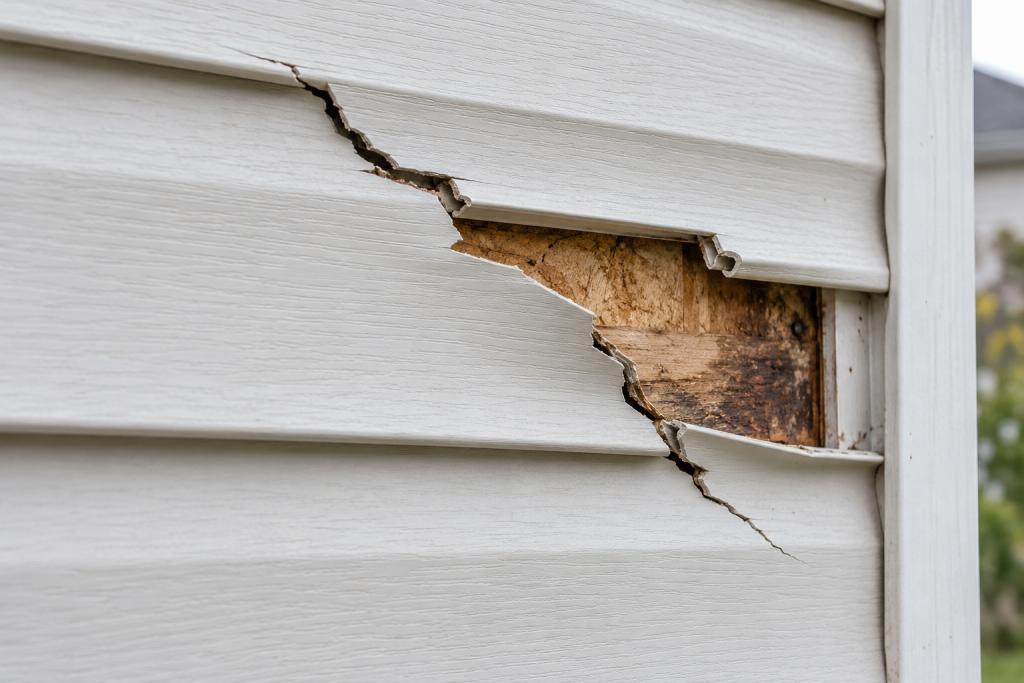
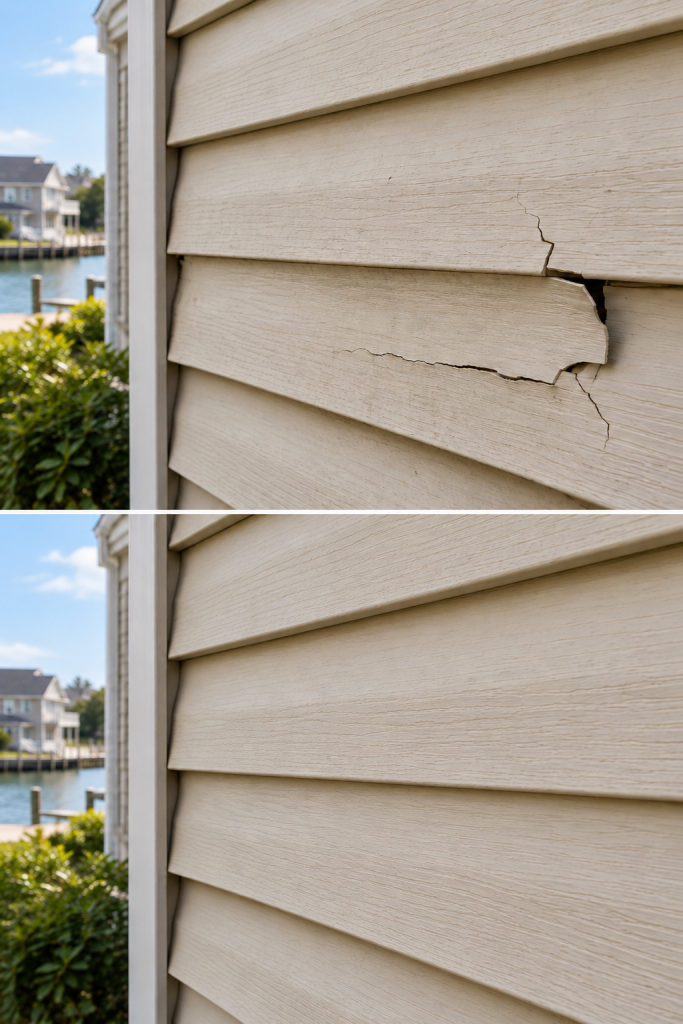
- Cracked or split panels: High winds and wind-borne debris during coastal storms can fracture vinyl along its length, creating an opening where wind-driven rain enters the wall cavity rather than shedding off the surface.
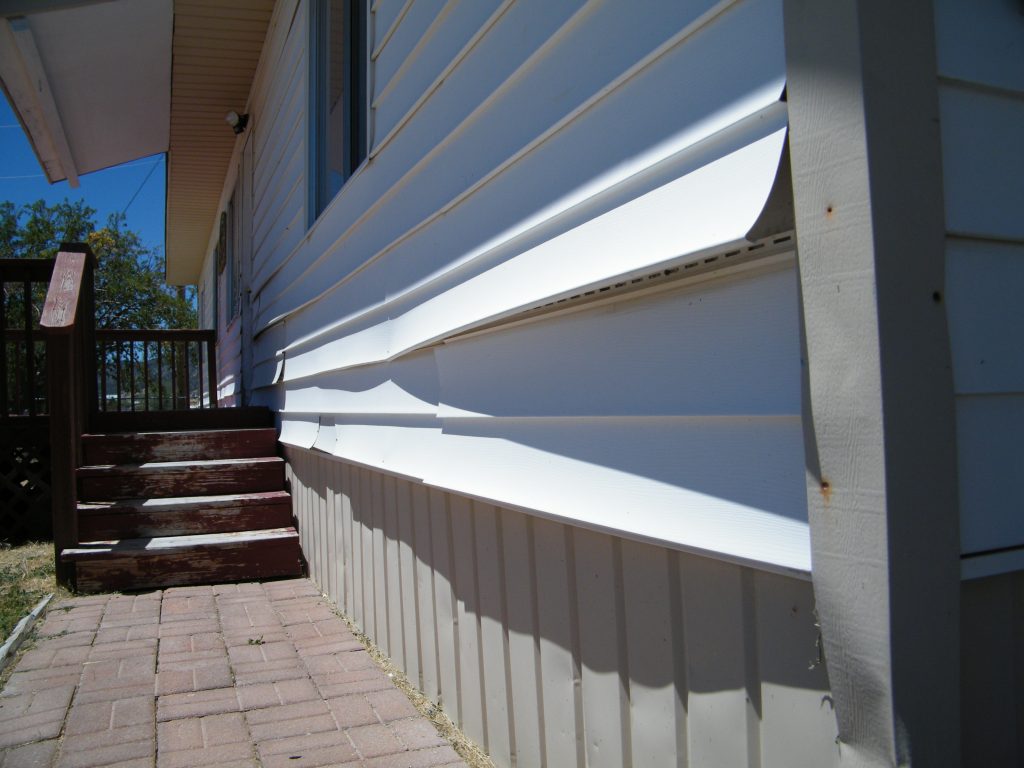
- Warped or buckling sections: Thermal stress and improper original installation cause panels to bow outward, breaking the weather-tight lock between laps and exposing the housewrap or sheathing beneath.
- Loose or missing panels: Sustained gusts can disengage panels entirely, leaving the wood framing and insulation directly exposed to the elements until repairs are made.
- Soft spots or discoloration near seams: These often indicate that water has already been pooling behind the siding for some time, and the damage extends beyond what’s visible from the street.
The Cost of Delayed Siding Maintenance
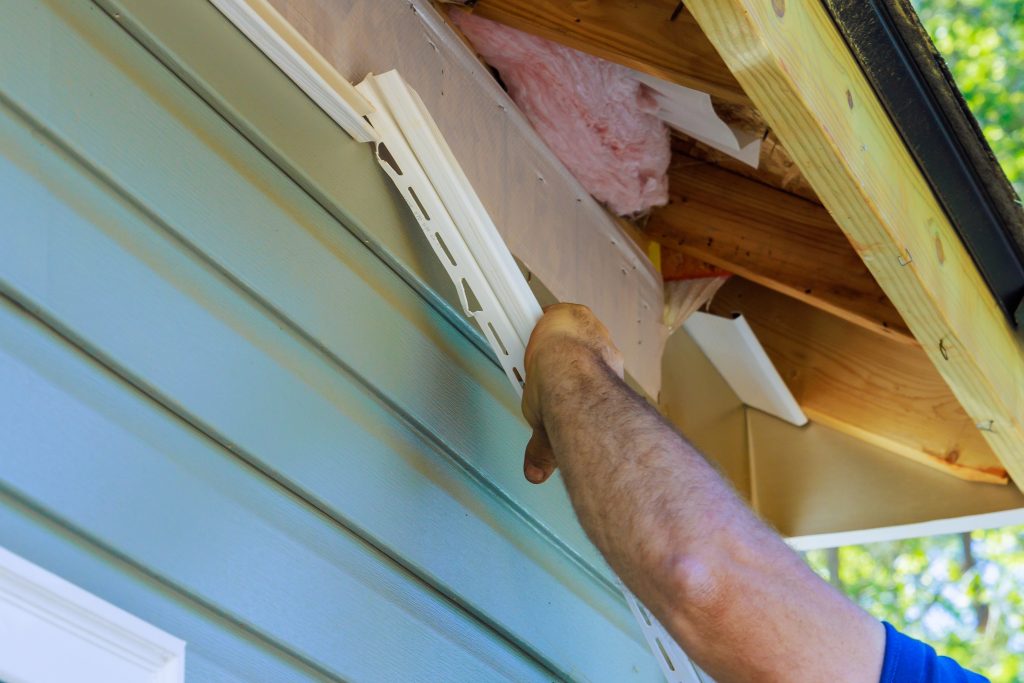
Water that gets behind siding doesn’t dissipate; it migrates. Once liquid moisture reaches the OSB or plywood sheathing, it begins softening the wood fibers, which accelerates rot and creates conditions favorable to mold growth inside the wall cavity. What starts as a panel replacement becomes a sheathing repair, and if the framing members absorb enough moisture, the scope expands further. The repair bill grows at each stage.
There’s also an insurance dimension worth understanding. Homeowners policies typically cover sudden, accidental damage: a panel torn off by a named storm, for example. Coverage is generally denied when an adjuster determines the damage resulted from deferred maintenance or gradual deterioration. Addressing siding damage promptly keeps you on the right side of that insurance distinction and preserves your ability to file a legitimate claim when a severe coastal storm event occurs in the Hampton Roads community.
Our Step-by-Step Siding Restoration Process
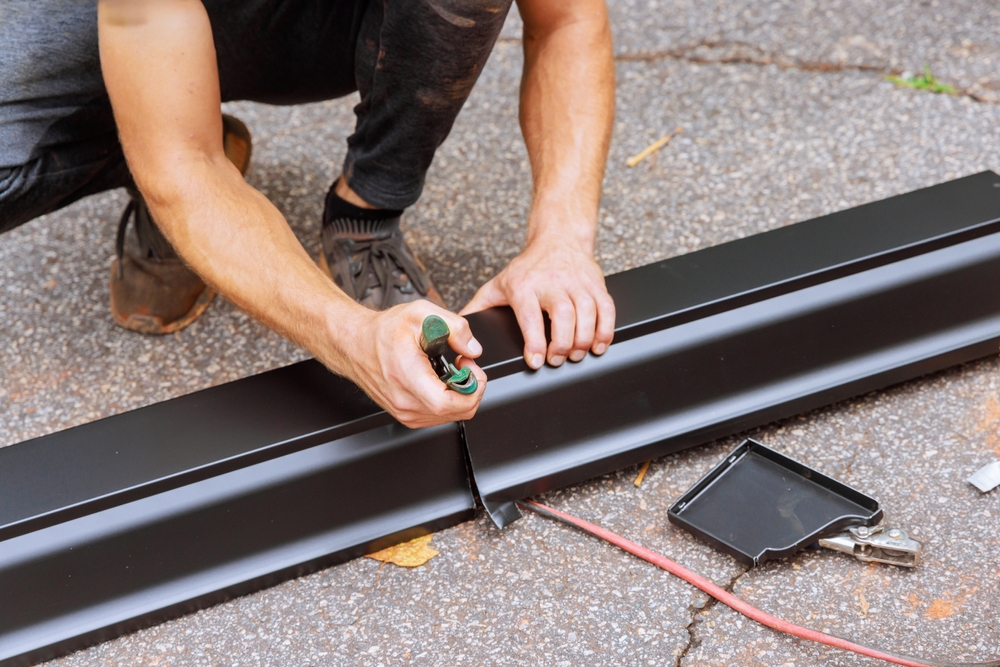
We provide a turnkey installation on every project, handling everything from the initial assessment to the final cleanup. We don’t patch over problems. Every repair starts with understanding what is happening at and behind the damaged area, because covering a compromised surface without addressing the underlying moisture or structural condition only delays the next major failure.
- Honest Inspection: We examine the damaged panels and probe the sheathing beneath for moisture, soft spots, rot, or pest activity before any material is ordered or removed.
- Moisture Barrier Restoration: If the housewrap or flashing has been torn, displaced, or degraded, we repair or replace it to re-establish a continuous water-resistant layer before new panels go on.
- Material and Color Matching: We source panels that match your existing siding profile and shade as closely as possible, accounting for weathering and UV fade on the surrounding material.
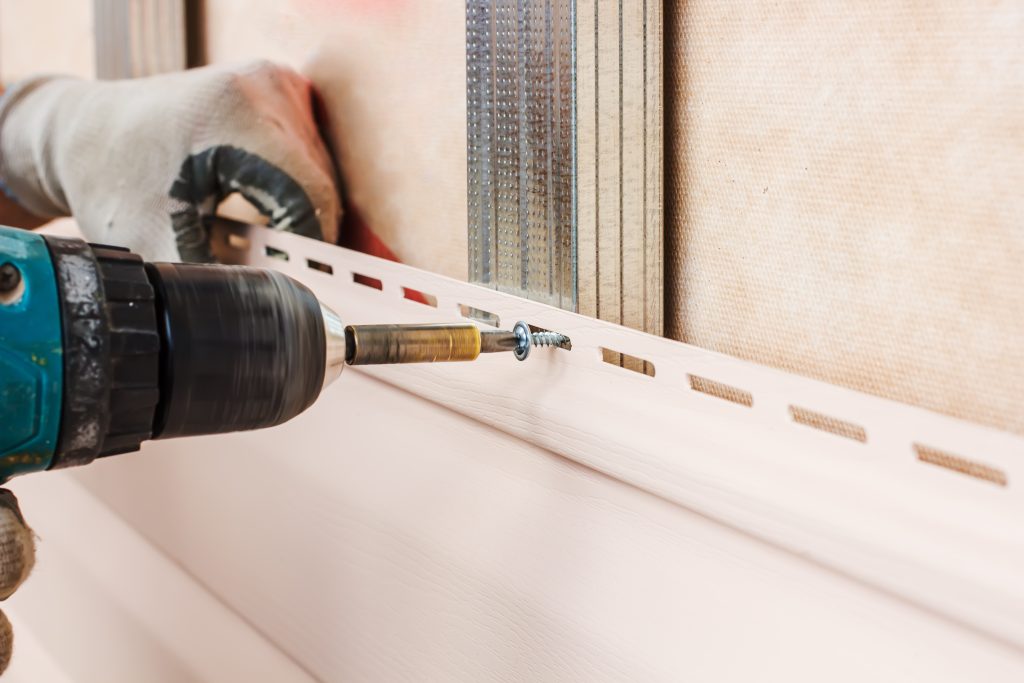
- Precision Panel Installation: New panels are hung with proper fastening technique, meaning they are secured but not over-driven. This allows for the thermal expansion and contraction that vinyl undergoes through Hampton Roads’ seasonal temperature swings.
“We called Quality Built Exteriors; they came out the next day and had us on the books and scheduled quickly.”
Ready to get your home’s exterior secured? Call our Virginia Beach office at (757) 520-4399 or reach our main line at (757) 255-7627 to schedule an assessment.
Storm Damage and Coastal Weather Challenges
Hampton Roads sits in a geographic position that makes it susceptible to a wider range of storm types than most mid-Atlantic markets. Nor’easters drive sustained winds from the northeast that push rain upward into siding laps, which is the opposite direction from what the panels are designed to shed. Hurricanes and tropical systems bring gusts capable of pulling panels off the wall entirely. Water gets in. Understanding how to approach preventing storm damage before a storm arrives is worth the time, but when damage has already occurred, the priority shifts to stopping further water intrusion as quickly as possible.
After a severe weather event, our team assists homeowners through the insurance documentation process. We provide itemized, photo-documented estimates that clearly separate storm-caused damage from pre-existing wear. This clear record gives your adjuster what they need to process a claim accurately. That saves time. Our availability is 24/7 for emergency situations where active water intrusion needs to be addressed before the next rain event.
Siding Color Matching and Aesthetic Consistency
The most common apprehension we hear from homeowners considering a partial repair is whether the new panels will stand out against the weathered siding surrounding them. This is a common worry. Vinyl and fiber cement both fade under UV exposure over years, and a factory-new panel installed next to ten-year-old material will read as a patch if the color isn’t carefully sourced.
We work from the existing siding’s manufacturer, profile, and approximate weathering stage to find the closest available match. For discontinued product lines, which is a real issue with siding manufactured more than a decade ago, we use a panel-harvesting approach: matching material is taken from a low-visibility area of the home (the back of a garage wall, for example), and new panels go in that hidden location instead. The repaired area gets material that has already aged alongside the rest of the house. It looks natural. More guidance on exterior color decisions is available through our resource on choosing siding colors.
Quality Materials Built to Last
The material used in a repair determines how long that repair holds up. Quality matters. Builder-grade vinyl installed to close out a job quickly tends to show its limitations within a few years: thinner walls crack under impact, fasteners rust and streak, and inadequate housewrap traps moisture vapor inside the wall assembly.
- Heavy-gauge vinyl panels: Thicker panel walls absorb impact from wind-borne debris without fracturing, and they hold their profile through the thermal cycling that thinner material cannot.
- Corrosion-resistant fasteners: Galvanized or stainless steel nails prevent the rust streaking that appears on siding within a few years when standard fasteners are used in a salt-air environment.
- High-performance housewrap: We layer a weather-resistant barrier beneath your siding, similar to how a good raincoat works, but built to handle decades of Hampton Roads humidity. This allows moisture vapor to escape outward while blocking liquid water from entering. Your walls stay dry.
Transparent Warranties and Local Trust
Warranty terms on siding repairs vary based on the scope of work and the specific materials installed. When you receive an estimate from us, the warranty coverage applicable to your specific repair will be spelled out in writing. We do not offer a single blanket figure because the right coverage depends on what was repaired and what materials were used.
We offer complete accountability. Quality Built Exteriors operates from physical offices at 929 Ventures Way, Suite 109 in Chesapeake and 5055 Euclid Rd in Virginia Beach. We’re not out-of-town contractors who arrive after a storm and vanish before the next one. Our A+ BBB rating reflects nearly two decades of standing behind our work in the same communities where our crews live. If something isn’t right after a repair, you know exactly where to find us and who to call. We stand by our work.
Repairing Adjacent Exterior Systems
Siding doesn’t function in isolation; it is one component of a building envelope that includes soffits, fascia, gutters, and flashing. One leak affects everything. A section of siding torn loose in a storm may have also displaced the J-channel at the roofline, or the impact may have bent the gutter that directs water away from the foundation. Repairing the panels without inspecting these adjacent components leaves the system partially open. Water finds a way.
Our process includes a review of the soffits, fascia, and gutters in the immediate repair zone. Where we find related damage, we address it as part of the same scope rather than leaving gaps that will allow water to re-enter through a different path. Ensuring long-term protection against coastal weather requires treating the exterior as a single, interconnected system, not a collection of independent surfaces.
Why Choose a Specialized Contractor Over a Handyman
Vinyl siding installation has a technical requirement that most general handymen neglect: panels must be hung with deliberate horizontal play in the fastener slot, not driven tight against the nailing hem. Vinyl expands and contracts measurably with temperature changes, and a panel nailed flush has nowhere to move. Within a single season, over-fastened siding buckles, joints unlock, and the weather seal fails. Correcting that kind of installation error often requires removing and re-hanging entire runs of panels, which costs more than the original repair would have.
Multi-story repairs carry additional considerations. Working at height on a residential exterior requires proper scaffolding, fall protection, and the kind of equipment a general handyman typically doesn’t carry. Quality Built Exteriors is fully licensed and insured, which means the liability for the work, as well as for the workers performing it, rests with us, not with you. That distinction matters.
Our Commitment to the Hampton Roads Community
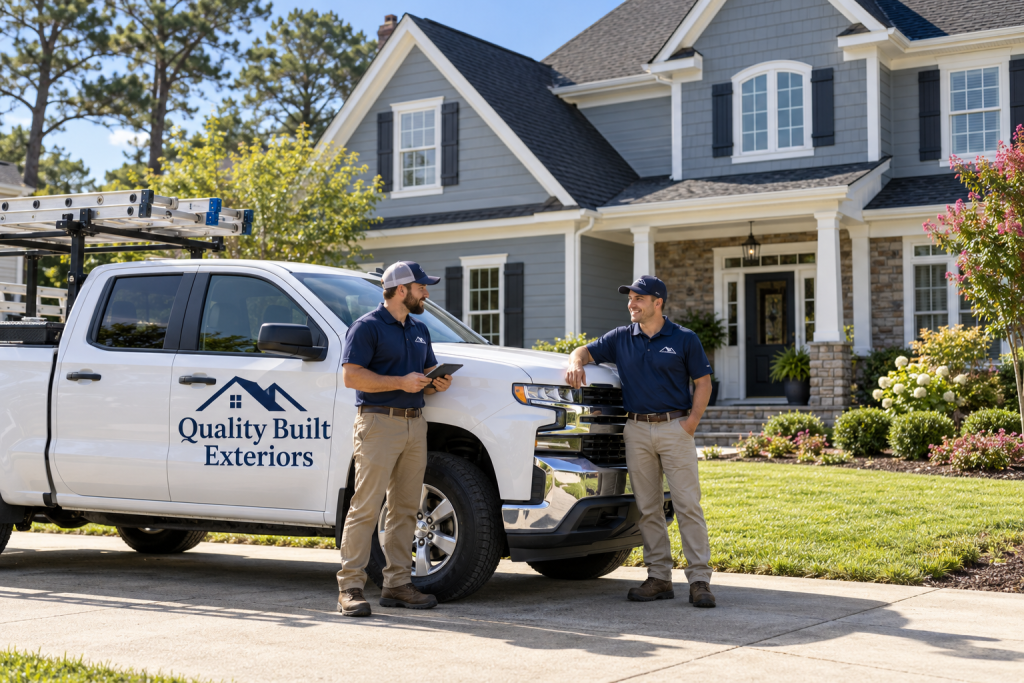
Family-owned since 2005, we’ve completed projects across Chesapeake, Newport News, and Virginia Beach for nearly two decades. The full scope of our siding repair services reflects our experience, covering not just materials and installation methods, but the specific weather patterns, building stock, and product histories common to homes throughout Hampton Roads. Most of our new work comes through referrals from past customers, which is a more reliable indicator of performance than any marketing claim.
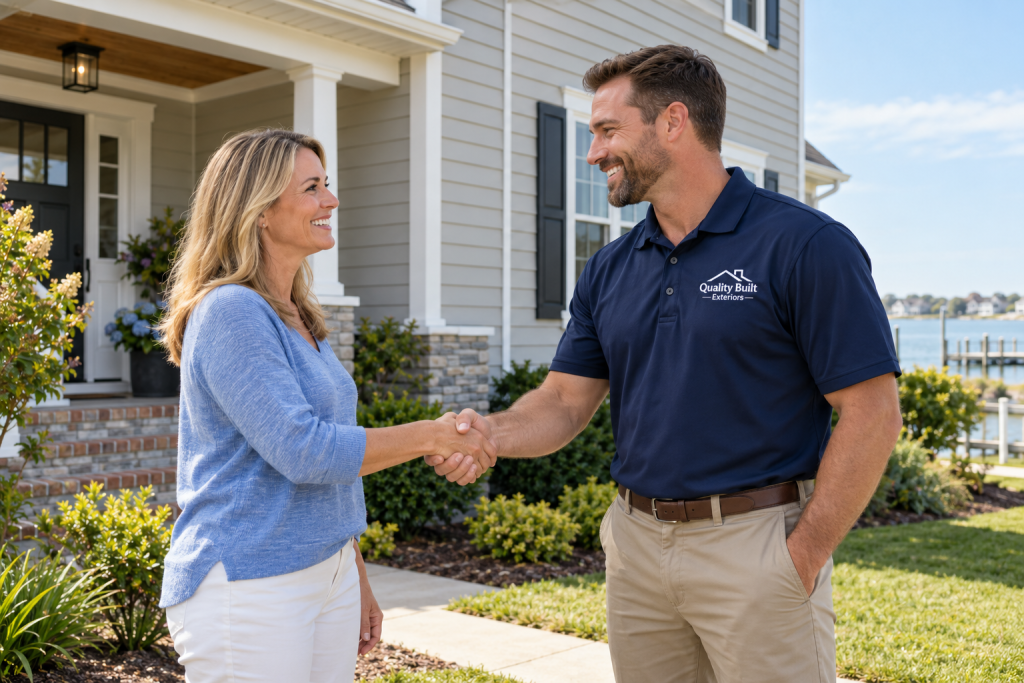
Our representatives, including Mike Reedy and Melissa James, act as honest advisors: they assess what is damaged, explain what they found, and give you a straight recommendation. We repair when possible. If the damage has progressed to the point where replacement is the more durable solution, we’ll tell you that too, and explain why. We never pressure you.
Frequently Asked Siding Repair Questions
Can you replace just a few damaged siding panels?
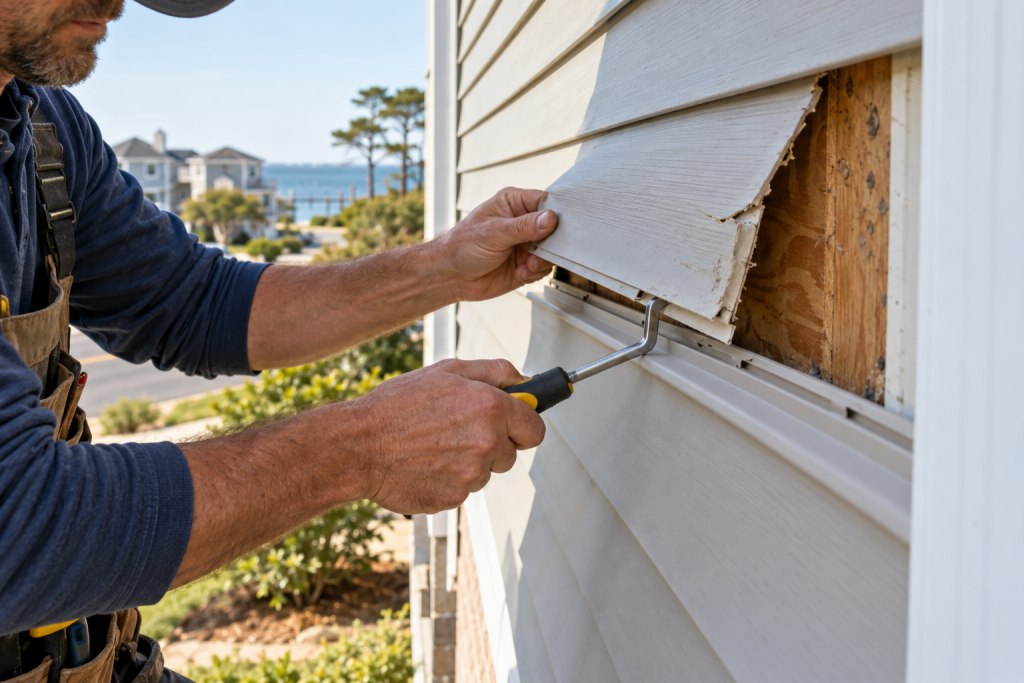
Yes, replacing individual panels or a short run of damaged boards is a standard repair scope, provided the surrounding siding is structurally sound and matching material is available. We unhook the damaged sections, inspect the sheathing beneath, and lock the new panels into place without disturbing the rest of the exterior. It’s a cost-effective way to restore weather protection and appearance when the damage is confined.
How do you match the color of my existing, weathered siding?
Siding fades gradually under UV exposure, so a factory-fresh panel installed next to weathered material will rarely be an exact match straight off the shelf. We work from the existing product’s manufacturer and profile to source the closest available color, and we account for the degree of weathering on the surrounding panels. When a discontinued product line makes a direct match impossible, we harvest matching panels from a low-visibility area of the home (a garage wall or a rear elevation) and install new material in that hidden location instead.
Does homeowners insurance cover the cost of siding repairs?
Coverage depends on the cause. Sudden, accidental events (such as storm winds, hail, or a falling tree limb) are typically covered under a standard homeowners policy. Damage attributed to gradual wear, deferred maintenance, or age is generally excluded. We provide detailed, photo-documented estimates and clear written descriptions of the cause of the damage to help you submit an accurate claim to your insurer.
Your home’s exterior takes the full force of every coastal storm that moves through Hampton Roads. When siding is compromised, the window between minor damage and significant structural repair is shorter here than in most markets. Our team is available around the clock. Call (757) 255-7627, reach our Virginia Beach office at (757) 520-4399, or request a free estimate online. We’ll assess the damage, give you an honest scope, and get your home’s envelope back to where it needs to be.